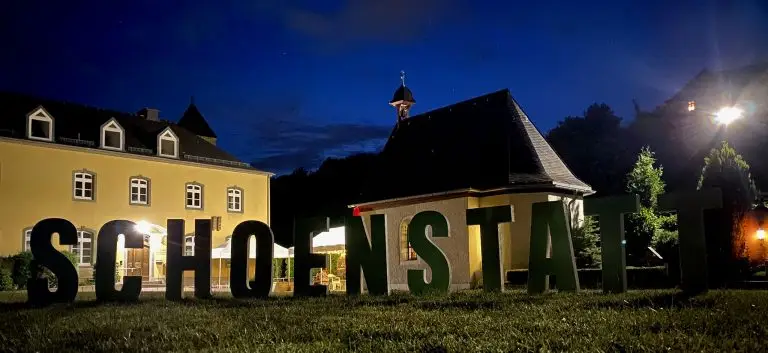
“The times we live in clearly call for a spirit of conquest to draw more souls to the Covenant of Love and the Shrine, so they may receive the charism of our beloved Founder.” With these inspiring words, Sr. María Auxiliadora Bohórquez begins her mission this Thursday, June 25, in service to the International Coordination of the Schoenstatt Movement. Together with Fr. Arkadiusz Sosna, they represent the Apostolic Leagues and the People’s Pilgrimage Movement on the International Presidium.
The General Presidium established the International Coordination Office to carry out operational tasks in support of cooperation and inspiration; its goal is to promote the common apostolate of the Apostolic Movement. Its three main tasks are: communication, coordination, and representation.
Sr. María Auxiliadora arrives to continue the work of Sr. M. Cacilda Becker, who has led this body for the past ten years. She is originally from Ecuador and has also served as the Movement’s continental coordinator in the Americas. She provides additional details about this new role:
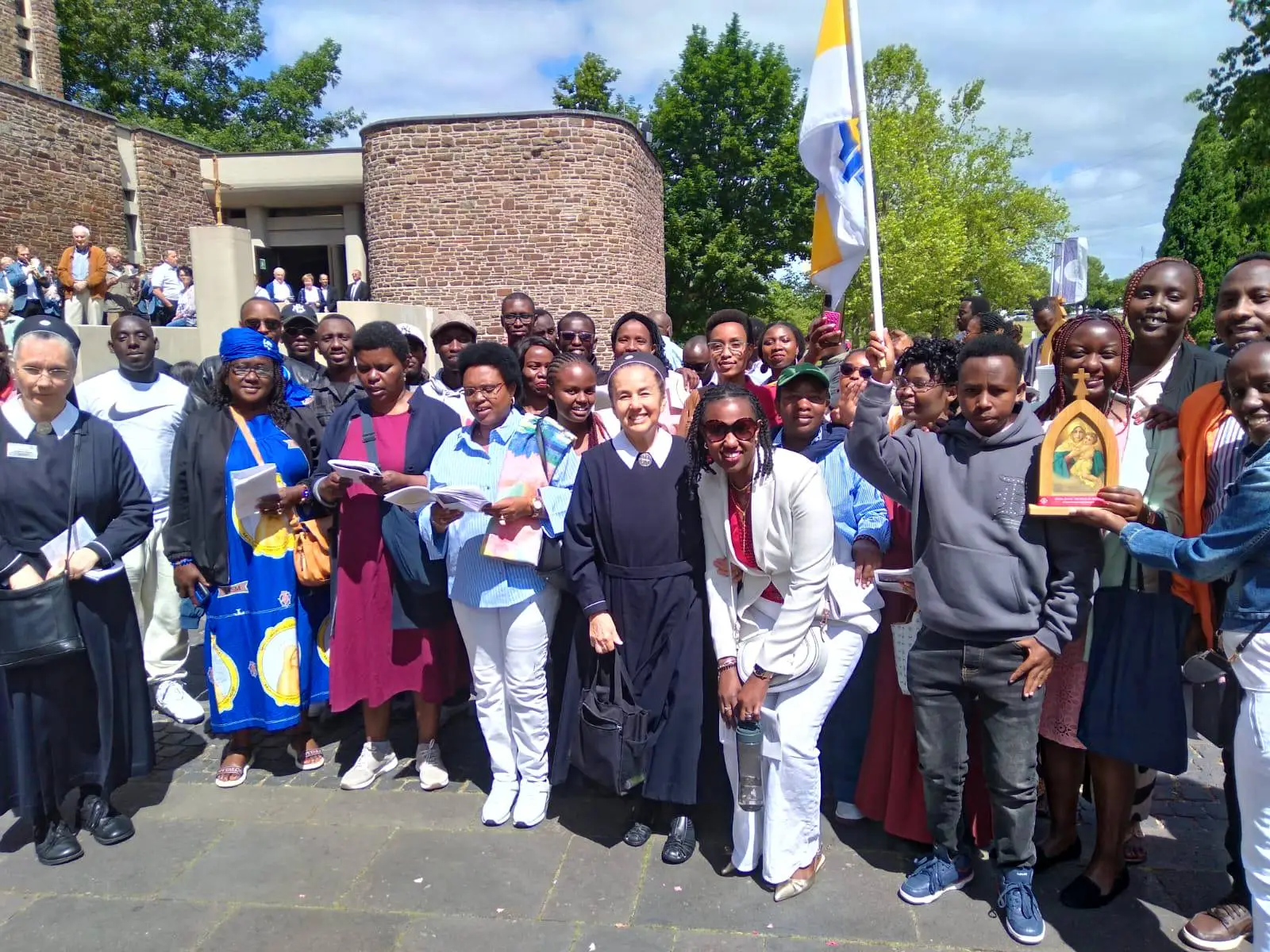
Sr. María Auxiliadora, could you tell us more about your background: where you were born; how you came to know Schoenstatt; what drew you to the Movement; how you joined the community of the Sisters of Mary…?
I was born in Guayaquil, Ecuador, into a family of six siblings. When I was 14, my parents, Ruth and Ildefonso Bohórquez, were among the first Schoenstatt couples in Ecuador. Because of that, Fr. Horacio Rivas and Sr. María Cecilia Montalván would visit us at home. They made a big impression on me—especially their joy! When I was a teenager, my mom had a friend encourage me to join the Girls’ Youth. I liked the Movement’s style and natural language; it seemed to me that anyone could understand it without being overly religious. I was fascinated by the songs at night during camps, the friends, the shrine, the retreats, the celebrations, and also the mission, beginning to be an apostle.
What does it mean to you to take on the International Coordination of the Movement at this time?
For me, it is a call to serve Schoenstatt life in any country and culture, so that this wonderful world can continue to reach many more people. Building on all that has already been achieved, I hope to help meet today’s challenges, serve the Work throughout the world, and help it grow.
Is it possible to anticipate what the priorities of your work will be over the next three years? Can you tell us what your main hopes are for the Movement?
My hope is to get to know the different cultural contexts where Schoenstatt is present. It is to draw closer to them and immerse myself in their life, their richness, and their needs. It is to get to know some of their leaders. And wherever I can, to help alongside Fr. Arkadiusz. To that end, I hope we will both have strong teams of collaborators at the international level. May many more join this global service.
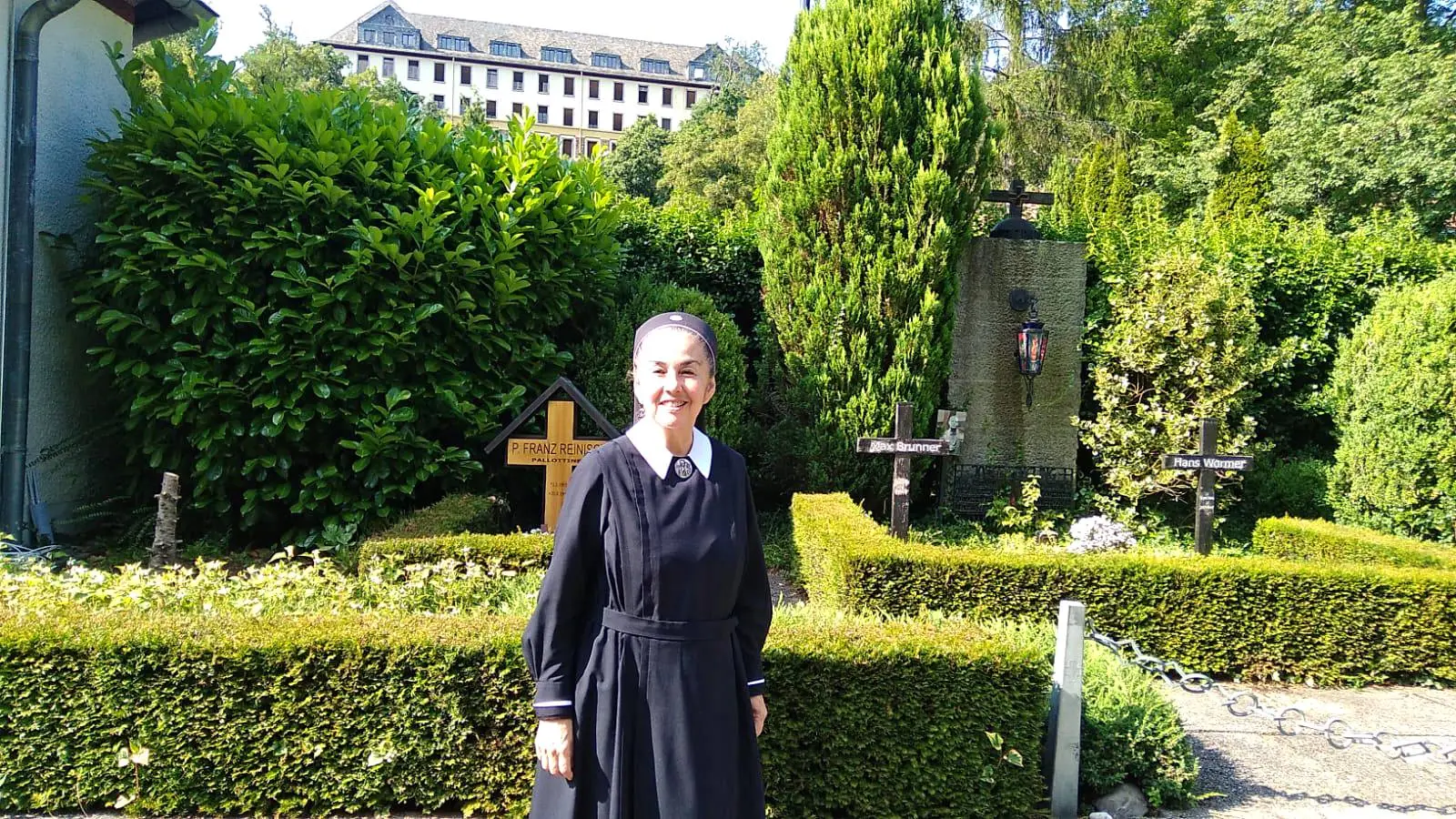
How do you view the role of the Schoenstatt charism as a response to the current challenges facing families, young people, and society?
It is immensely powerful. I have experienced this firsthand in my encounters with many young people and families. Our pedagogy and spirituality help them be happy and apostolic, save and enrich their families, affirm their personalities, and become missionaries. I see how many come to Schoenstatt and flourish. We lose some along the way, but I believe we can improve the way we accompany people. Schoenstatt’s missionary initiatives awaken new apostles for the Church.
As someone from Ecuador and a former continental coordinator for the Americas, in your opinion, what contribution can Latin America offer to the international Movement today?
A great strength in service, because there are moderators and many leaders there who are already trained and proven. I know many of them personally and admire their dedication. They have learned to lead and serve Schoenstatt in every branch, in the federations and institutes, and through the Pilgrim Mother Apostolate; they have taken on the pastoral care and administration of the shrines, our social works, the digital world, and the business sector (CIEES); and they organize jubilees and international events. Many accompany others to countries without Schoenstatt Institutes. This experience can also be an invaluable support on other continents and in international life.
Many of us, of course, see the potential that Africa, India, and other regions also offer us, as more consecrated vocations are emerging there. That is why we are very interested in all these places.
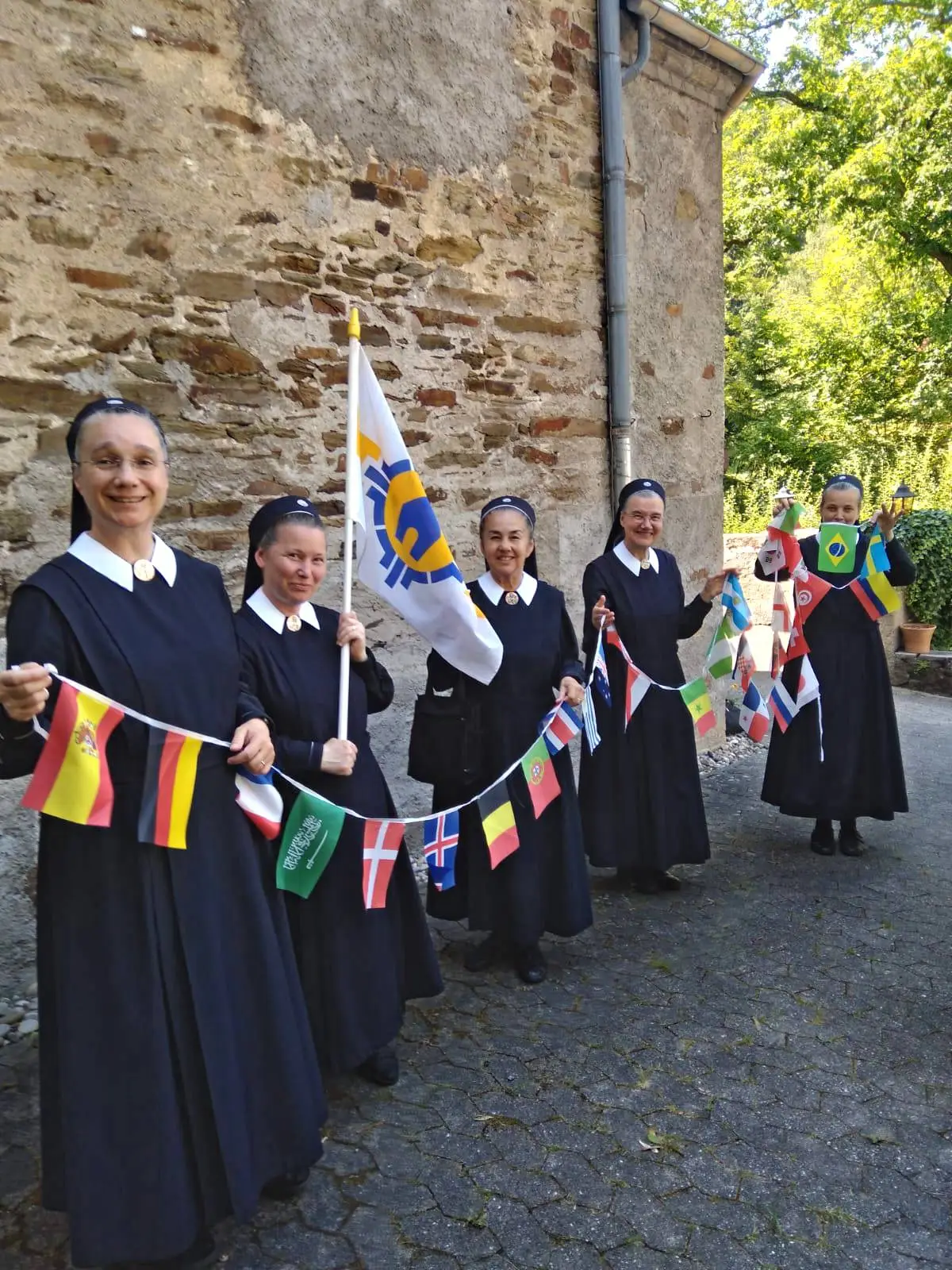
What message would you like to leave for the entire Schoenstatt Family scattered throughout the world?
These are the times we live in, which clearly call for a spirit of conquest to draw more souls to the Covenant of Love and to the shrine, so that we may offer them the charism of our beloved Founder. Just as the first members of the Schoenstatt Movement did, I hope that many of us today will reach out to others and win them over to Schoenstatt, so that together we may be more of the heart of the Church and renew the world.
This is not the time to wait for them to come to us, but to go out, draw near, attract, and offer.
We are instruments “to change the destiny of nations”!
Translation: Sr. M. Lourdes Macías