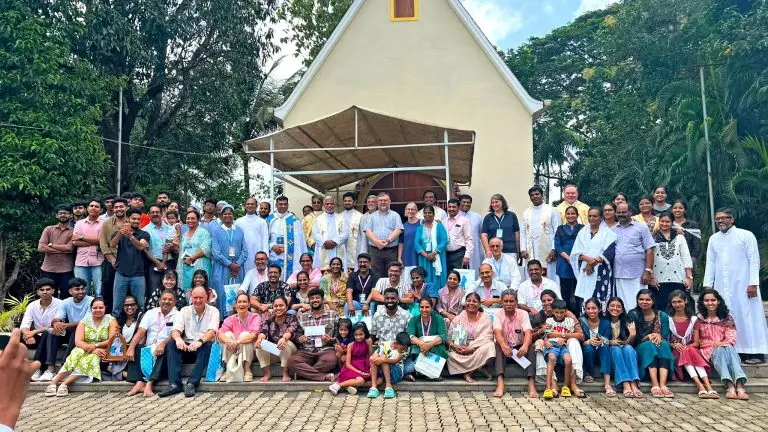
More than a hundred years ago, the Schoenstatt Movement was born in a small valley in Germany and, over time, spread to every continent. This is a source of great joy and enthusiasm; however, with this expansion have come global challenges. In a world of diverse cultures, languages, and customs, how can we bring our charism to all nations, inculturating our spirituality while remaining faithful to our roots?
This challenge is faced by the Schoenstatt Fathers and the Sisters of Mary in countries across Africa and Asia, especially in India, Burundi, and Nigeria. A central aspect of this concern is forming moderators and lay leaders in these countries in spirituality, pedagogy, and pastoral ministry.
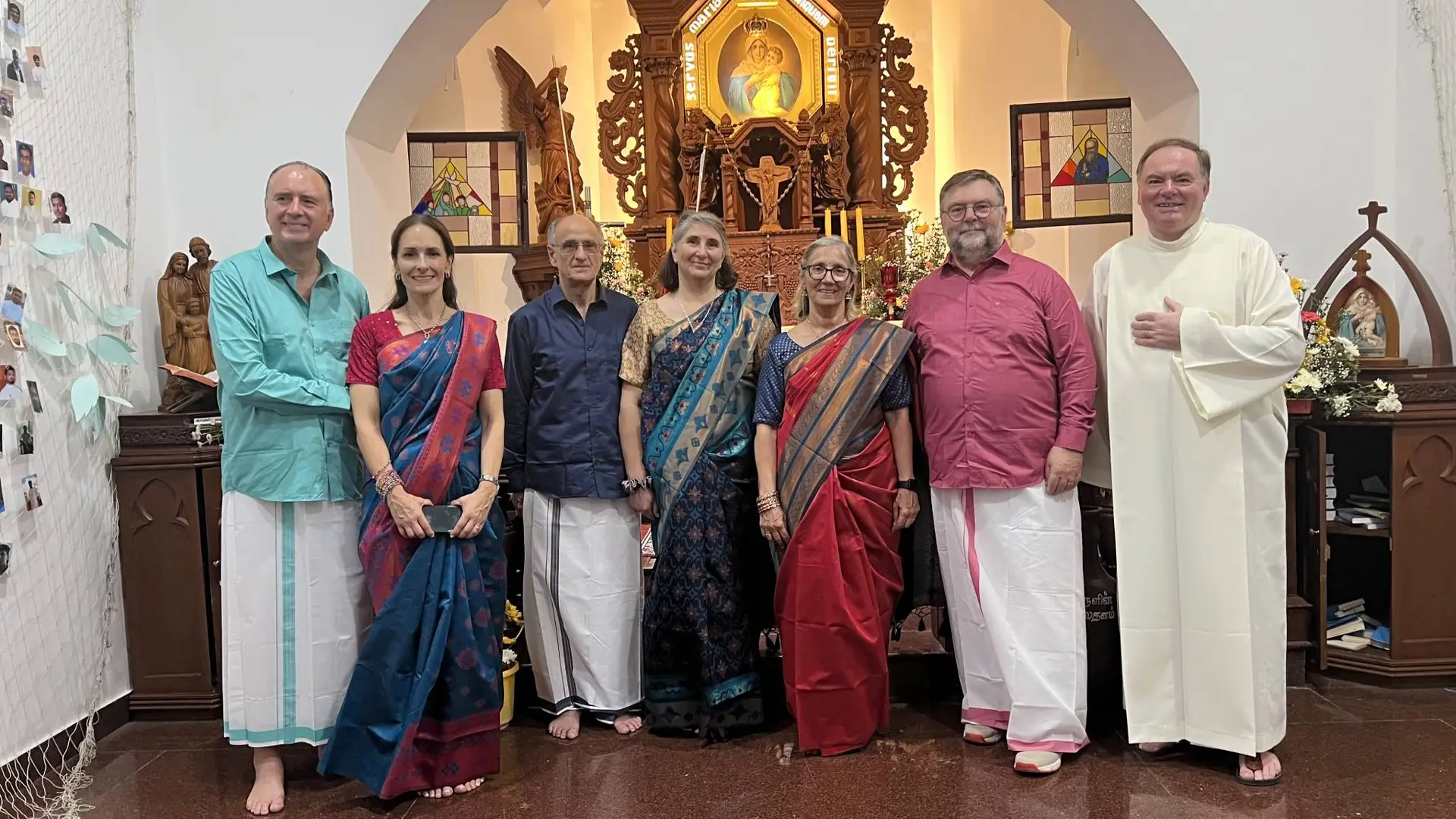
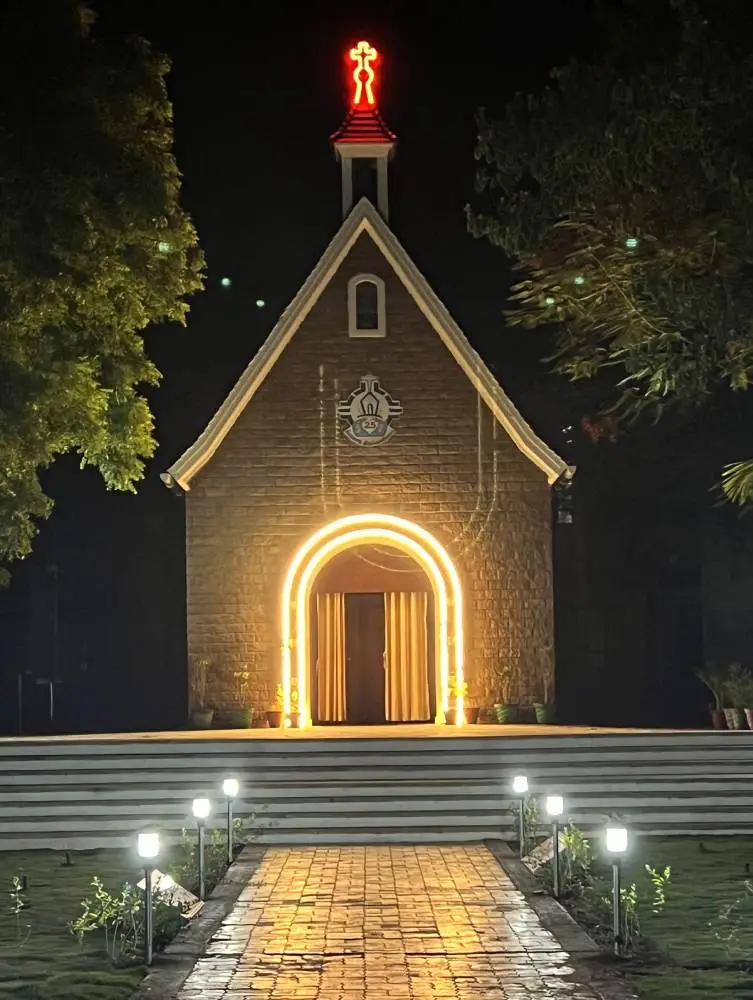
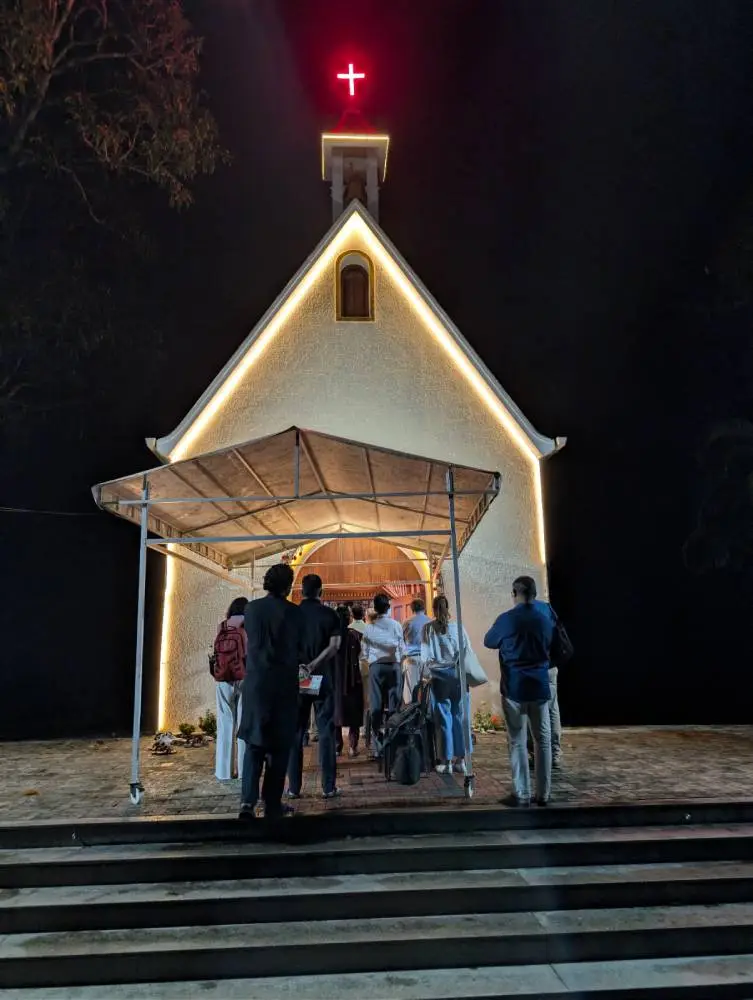
In light of this situation, some couples from the Schoenstatt Family Work set out as missionaries. During August, they worked to organize a Pastoral Course in India. The goal was to provide concrete tools for priests, sisters, and families to help structure and consolidate the Schoenstatt Family Work in this country.
The program included two working sessions in August: one in Kuttur (Kerala) and another in Madurai (Tamil Nadu)—read more here. Below, Raúl and María Luisa Rivera share a brief account of their impressions of this missionary work:
Both sessions took place in a very positive atmosphere, generating great interest and anticipation among the couples, priests, and sisters in India. The organizing team did its utmost to meet those expectations, and that effort was crowned by a clear presence of the Holy Spirit and the Blessed Mother, enabling the entire program to inspire hearts toward the central goal of strengthening the Schoenstatt Family Movement.
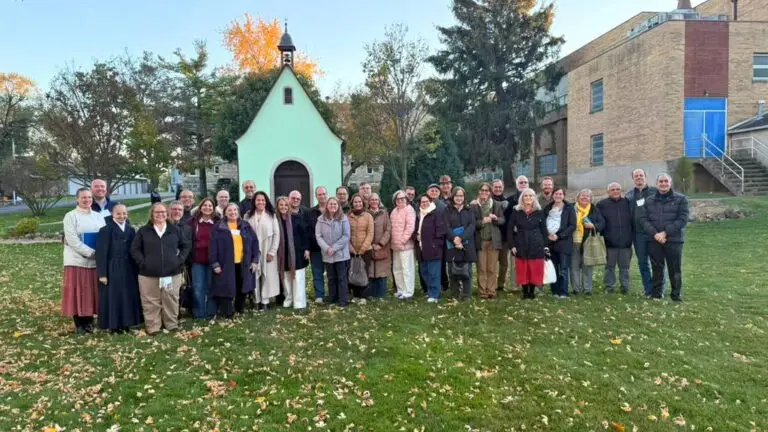
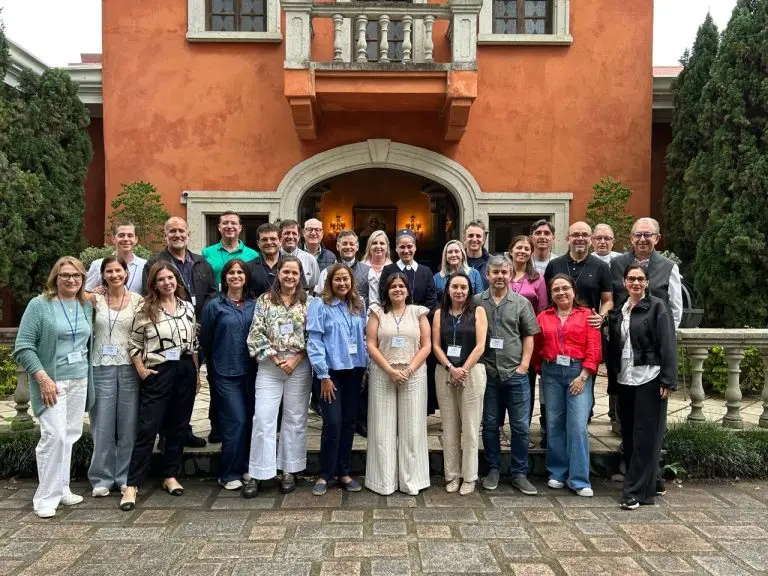
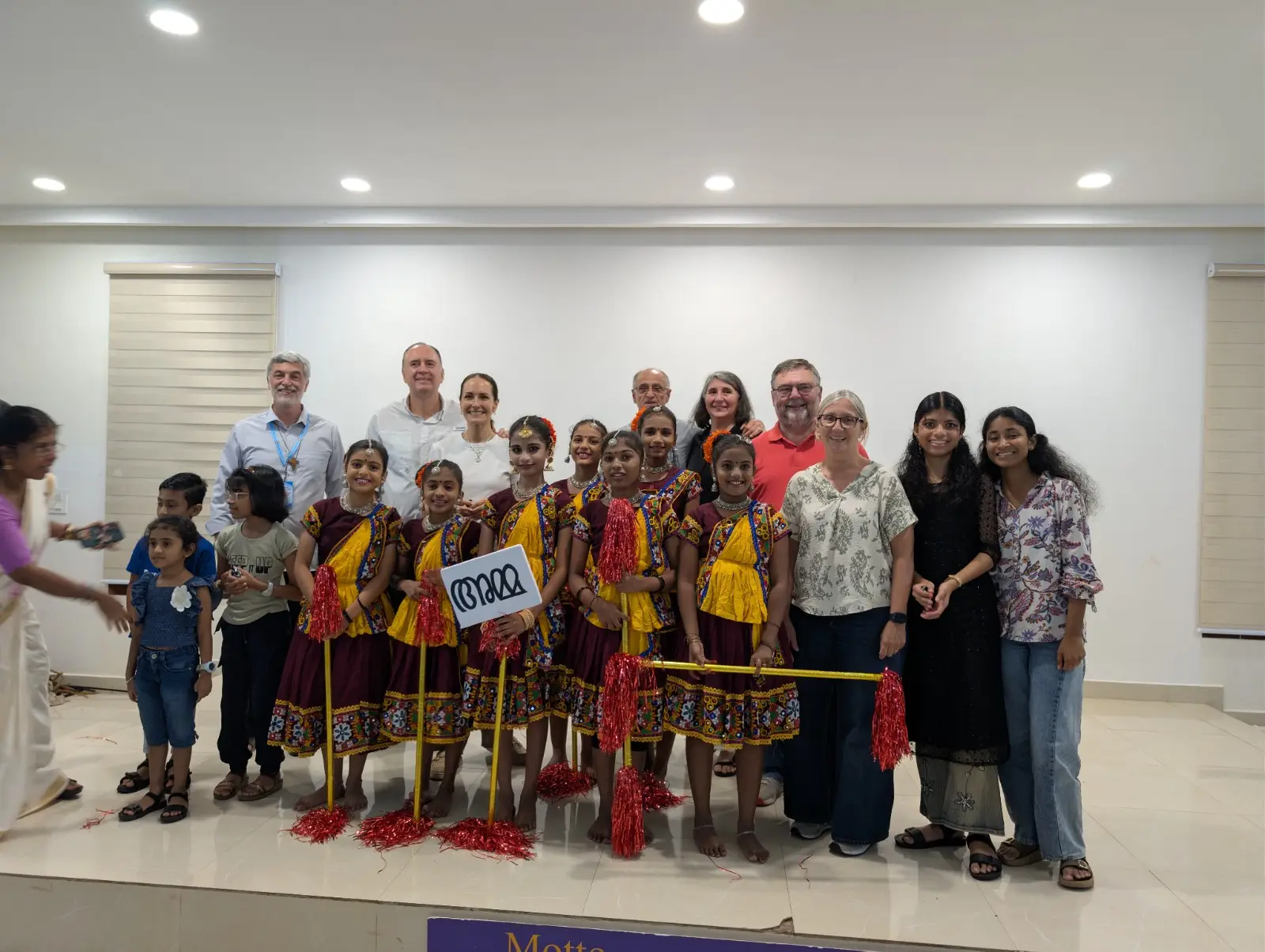
An important element was the international character of the gatherings, due to the presence of an organizing team composed of people from Poland, Germany, Spain, Brazil, Costa Rica, and Chile. This allowed the couples to see that Schoenstatt has a presence in various countries and that each culture contributes its own uniqueness to the enrichment of the entire Movement. This helped broaden the participants’ perspectives and horizons during the events.
Our encounter with Indian culture was marked by the warmth and hospitality generously extended to us by all the locals, who went out of their way to make us feel at home, ensure the best possible conditions for our stay, and show the utmost interest and openness of heart in receiving what we had come to offer them. These were unforgettable days filled with profound religious and communal experiences, during which we came to feel part of a community that longs to grow in depth, organizational capacity, and numbers for the greater glory of God.
Between one day’s activities and the next, the entire organizing team, accompanied by several priests from India, visited the Marian Shrine of Vailankanni, where the Blessed Mother is venerated as Our Lady of Good Health. There, she has been credited with three miracles officially recognized by the Church. The shrine is often referred to as the “Lourdes of the East.” It is a vast site, visited by more than 20 million pilgrims each year, coming not only from across India but also from other Asian countries. Another notable aspect is that the Blessed Virgin also draws the hearts of Hindus, Buddhists, and Muslims to this place. This visit was an immersion in India’s popular religious culture and allowed us to experience firsthand the deep religious sentiment of its people.
We were impressed by family life
Another aspect that impressed us is the strength of family life. India maintains a very solid family structure that provides genuine moral protection for children against external influences well into their teenage years. A common element across all families is the presence of a religious corner—a family altar—around which the family connects with the supernatural realm. This is not unique to Catholics but part of the people’s distinct cultural identity.
Family life is strongly shaped by the caste system, which limits social interactions to a specific social circle. However, this reality has been changing in recent years, becoming less segregated while also more secularized and open to Western cultures, fostering a progressively more open—yet less religious—mindset.
In any case, the sense of religion and the transcendent in India is socially very strong and is clearly felt in the atmosphere, serving as a positive safeguard for the faith. An example of the country’s deep popular religiosity is what we observed around the aforementioned Velankanny Shrine, as well as the widespread impact of the Pilgrim Mother apostolate centered on the Schoenstatt Shrines, which draws thousands of pilgrims throughout the year, especially in October.
Challenges for the Future
For those of us from the Western world, developing Schoenstatt’s spirituality and pedagogy in India is a significant challenge because we encounter a culture very different from our own. The cultural differences are substantial and require great sensitivity and commitment on the part of Westerners to avoid imposing our own ways and stereotypes while seeking to share Schoenstatt’s spirituality and pedagogy with deep respect for India’s customs and traditions. Undoubtedly, two strong pillars of support are the people’s deep religiosity and the value they place on the family, which serve as points of connection to reach the hearts of our brothers and sisters in that country.
Another challenge facing Schoenstatt in India is fostering collaboration among the various locations where the Movement is present, as well as among all the communities that serve it. In a country where Catholics are a minority, there must be no room for isolated efforts, much less for rivalries. To achieve this, the Family Movement bears a significant responsibility. In this regard, the observation made by our Founder in the Letter from Santa María as early as 1948 remains fully relevant to us today and must serve as a constant reminder there: “Anyone who is familiar with life today, anyone who is aware of the horrific catastrophes toward which the world and the Church are heading, is deeply convinced that the Schoenstatt Family, as a whole and in each of its parts, cannot fulfill its mission unless all its forces are ultimately united in islands of holy Schoenstatt families that, more and more, unite with one another and within the Family Movement.”
Our MTA has great plans for the Families in India
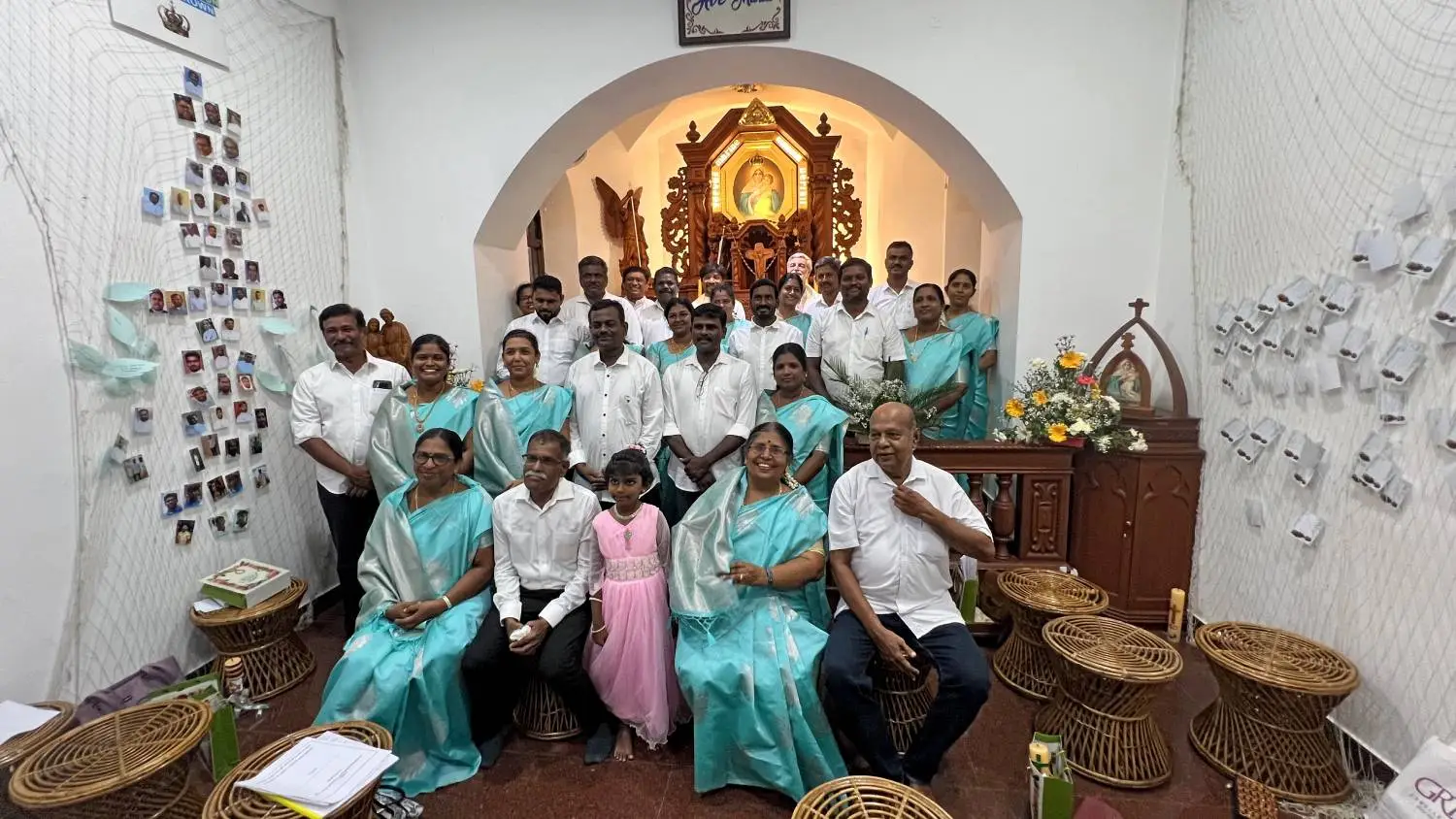
Those of us who have had the gift of participating in this beautiful apostolic work are convinced that our MTA has great plans for the Family Movement in India. She is the great missionary. That is why we have committed ourselves to providing ongoing support to local couples, sisters, and priests. However, for her to carry out this task, more missionary families must emerge—families willing to allow themselves to be used by the Blessed Mother as suitable instruments in her hands. Otherwise, she will be powerless, and a great opportunity to bring the Covenant of Love to millions of people—who are simply waiting for someone to reach out and invite them to seal it—will be wasted.
Therefore, we invite the entire Schoenstatt Family to pray and contribute to the Capital of Grace, and we invite members of the Family Work around the world to place themselves at the disposal of the Blessed Mother. Only in this way can the richness of the Covenant of Love—and the spirituality and pedagogy the Founder gave to families—reach the hearts of Schoenstatters in India and of many families who wish to join this stream of graces flowing from the Original Shrine for the blessing of the whole world.